Our headquarters town. Fast dispatch and the deepest local knowledge for lawns from Hermon Center to Hermon Pond and out to the airport business district.
Also serving nearby: Carmel, Levant, Glenburn, Bangor, Hampden
What we offer in Hermon, ME
Same-day estimate response in our home town
Locally formulated fertilizer for Hermon-area soil
Lawn care for Orono homeowners and Old Town residents — from College Avenue to Stillwater Avenue. Designed for the unique conditions along the Penobscot River.
Also serving nearby: Old Town, Veazie, Bangor, Bradley
Year-round lawn, tree, and shrub care for Waterville and Central Maine. Locally serviced from our Bangor base — same TruGreen guarantee, same friendly crew.
Also serving nearby: Oakland, Fairfield, Winslow, Sidney, Vassalboro
What we offer in Waterville, ME
Full-season fertilization & weed control
Core aeration and overseeding in fall
TruDefense℠ Mosquito Control through summer
Locally owned franchise — no out-of-state call center
Lawn care for Ellsworth and the gateway-to-Acadia region. Whether year-round homes or summer properties, our team delivers consistent, guaranteed results.
Also serving nearby: Trenton, Lamoine, Surry, Hancock, Bar Harbor
Lawn, tree, and shrub care for Blue Hill Peninsula properties. Programs respect the area's natural character while delivering thicker, greener results.
Also serving nearby: Brooksville, Castine, Penobscot, Surry, Sedgwick
What we offer in Blue Hill, ME
Programs tailored to Blue Hill soil and microclimates
Coastal lawn care for Camden homes and properties. Locally tuned programs that respect the village character while keeping turf and plantings at their best.
Also serving nearby: Rockport, Lincolnville, Hope, Rockland
Belfast-area lawn, tree, and pest care. From downtown waterfront homes to inland properties along Route 1 and Route 3, we keep Maine lawns thick and healthy.
Also serving nearby: Searsport, Stockton Springs, Northport, Searsmont, Lincolnville
Soil health in Bangor and Central Maine starts with balanced nitrogen and phosphorus levels. Excess nutrients wash into local streams and waterways. TruGreen Bangor offers a variety of treatment plans through its The Best Lawn Care Services in Maine. Healthy Lawn Analysis®, correcting deficiencies and strengthening turf from the roots up using environmentally responsible, pet-safe formulas.
Why Does Soil Health Matter for Maine Lawns?
Strong turf starts below the surface, not above it. Soil health Maine lawn management determines whether grass roots reach deep for water or struggle through compacted, nutrient-poor ground. The Natural Resources Conservation Service frames soil health as the true starting point for any land management plan. Maine lawns follow the same principle: healthy ground produces resilient grass.
Nutrient imbalance carries consequences beyond a patchy yard. When nitrogen and phosphorus from fertilizer applications go unbalanced, they wash into stormwater runoff and travel into Maine’s streams, wetlands, and coastal waters. That runoff feeds algae growth in the very lakes and bays many Central Maine homeowners live near. South Portland took this seriously enough to pass a Landcare Management Ordinance in 2016, later updated in 2021 and 2023, restricting fertilizer use to protect local water bodies. The regulation signals a statewide concern, not just a coastal one.
Does soil quality really affect grass growth that much?
Yes. Poor structure limits how well roots access water and nutrients, weakening turf even when fertilizer is applied correctly. University of Maine Cooperative Extension publishes guidance built specifically for low-input, healthy lawn practices suited to Maine’s growing conditions.
Homeowners who treat soil as the foundation, rather than an afterthought, see fewer bare patches and less runoff waste over time.
Understanding Maine Soil Profiles
Maine’s diverse soil landscape influences lawn health profoundly. Predominantly, soils in Bangor and Penobscot County feature three main types: acidic soils, heavy clay soils, and sandy loam. Acidic soils, common throughout the region, often have pH values below 6.0, hindering nutrient availability and microbial activity essential for healthy turfgrass.
Clay soils, while nutrient-rich, suffer from poor drainage and compaction, restricting root growth and oxygen access. Conversely, sandy loam soils drain quickly but may lack sufficient organic matter and nutrients, leading to drought stress during dry seasons. Understanding your soil profile is critical to tailoring lawn care practices that enhance soil health and support nutrient balance.
The Importance of Soil Testing and Reading pH/NPK Reports
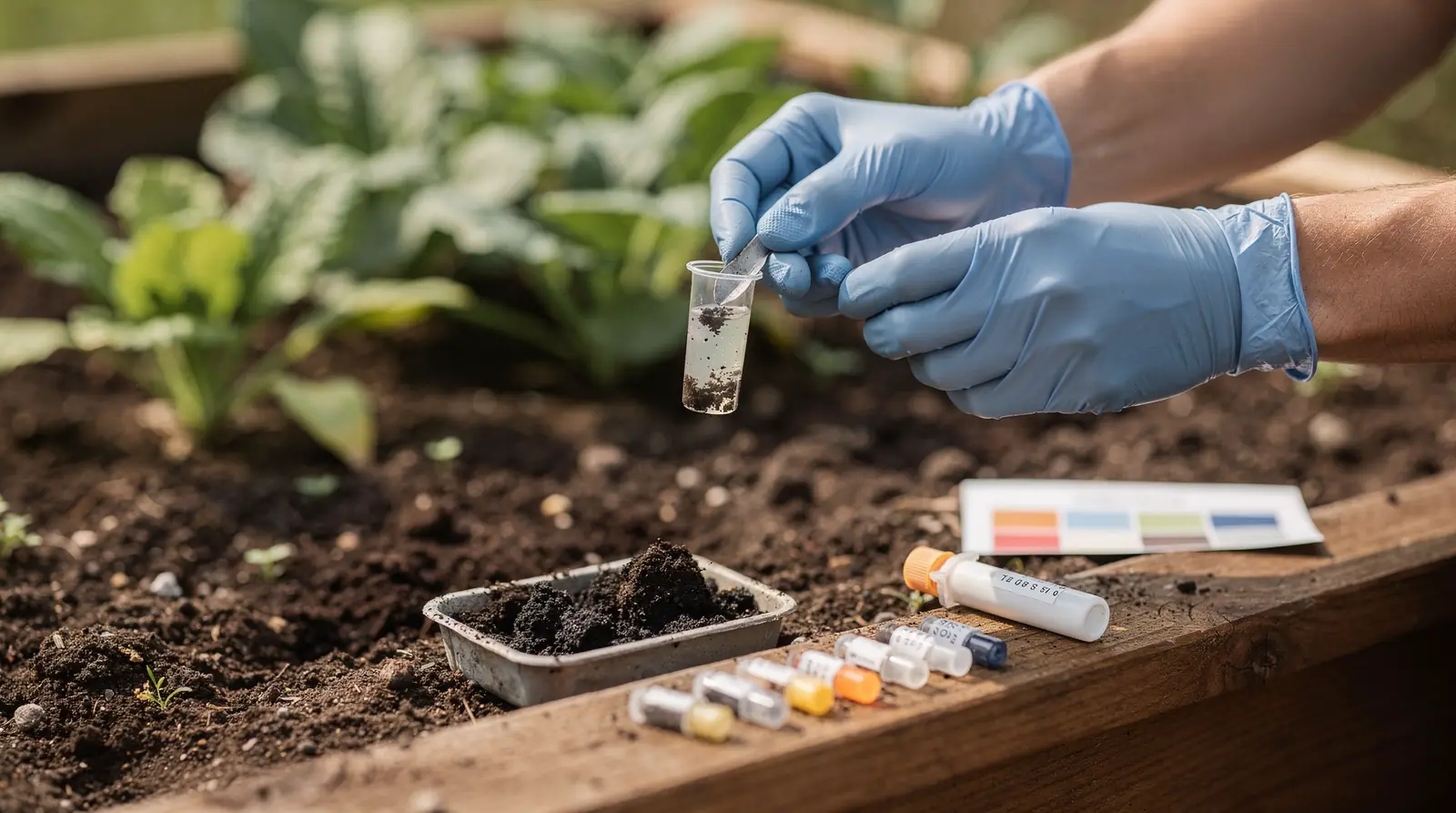
Accurate soil testing is the cornerstone of effective lawn management. By collecting a representative soil sample and submitting it to a reliable laboratory, homeowners receive detailed analyses of pH and nutrient levels, including nitrogen (N), phosphorus (P), and potassium (K) — collectively known as NPK.
Interpreting these reports helps identify nutrient deficiencies or excesses. For example, low pH values indicate soil acidity that can lock up nutrients, while imbalances in NPK can result in weak growth or susceptibility to diseases. Regular testing, ideally every two to three years, allows for proactive adjustments ensuring balanced nutrition tailored to Maine soils.
How to Collect a Proper Soil Sample
Use a clean soil probe or trowel to collect samples from multiple lawn areas — typically 8-10 spots per lawn.
Dig 4-6 inches deep to capture the active root zone.
Mix samples thoroughly in a clean container, and send about 1-2 cups to the testing lab.
Liming Strategies for Correcting Acidic Maine Soils
Many Maine soils require liming to raise pH towards the optimal 6.0-7.0 range suitable for turfgrass. Liming neutralizes soil acidity, enhancing nutrient availability and fostering beneficial microbial communities.
Choosing the right lime product (calcitic lime, dolomitic lime, or pelletized lime) and applying it at recommended rates based on soil test results is essential. Applications are best done during the fall or early spring to allow sufficient time for soil chemistry adjustment before the growing season.
Best Practices for Liming
Apply lime evenly with a spreader to avoid localized pH extremes.
Incorporate lime into the soil with aeration to improve effectiveness.
Retest soil pH every 2-3 years to monitor and adjust liming schedules.
Organic Matter and Microbial Health: The Foundation of Resilient Lawns
Building and maintaining organic matter is critical for Maine lawns, providing a food source for beneficial soil microorganisms that drive nutrient cycling and improve soil structure. Organic matter increases water retention, reduces compaction, and supports root vitality.
Practices like adding compost, topdressing, and maintaining a healthy layer of leaf litter feed soil life and enhance organic content. Proper aeration complements these methods by facilitating oxygen flow and integrating organic materials deeper into the soil profile.
Encouraging Microbial Activity
Avoid overusing synthetic chemicals that can disrupt microbial populations.
Maintain consistent soil moisture to sustain microbes without creating anaerobic conditions.
Incorporate diverse organic inputs to support a broad microbial ecosystem.
Tailored Seasonal Fertilization Schedules for Maine Lawns
Effective nutrient management in Maine requires aligning fertilization with the turfgrass growth cycle and seasonal weather patterns. Typical schedules include:
Early Spring: Apply a slow-release nitrogen fertilizer to stimulate green-up after winter dormancy.
Late Spring to Early Summer: Light feeding focusing on phosphorus and potassium to support root development and stress resistance.
Fall: The most critical fertilization period, emphasizing nitrogen and potassium to prepare turf for winter and promote strong early spring growth.
Winter: Generally avoid fertilization during dormant months to reduce nutrient runoff risks.
Adjustments must be made according to soil test results, lawn species, and local climate nuances for optimal health and environmental protection.
Improving Soil Drainage and Aeration
Better drainage starts underground, where compacted soil blocks water and starves roots of oxygen. Central Maine properties often struggle with heavy clay or compacted subsoil left behind by construction or years of foot traffic. Left untreated, these conditions drown grass roots during spring thaw and choke them out during summer dry spells.
TruGreen Bangor’s local crews build fertilization. Commercial Vegetation Control: Lawn Care, Tree and Shrub Care around the specific conditions found on central and eastern Maine properties. That local calibration matters: aeration loosens compacted ground, letting water, air, and nutrients reach the root zone instead of pooling on the surface. Stronger soil health Maine lawn conditions follow directly from that improved infiltration.
Does aeration really help with organic matter buildup?
Yes. Aeration breaks up thatch and compacted layers, giving decomposing organic material a path into the root zone rather than sitting on top. Over repeated seasons, that process builds organic matter in soil naturally, improving structure and water-holding capacity.
TruGreen Bangor grounds its nutrient program in scientific research, confirming lawns receive balanced soil nutrients rather than generic feeding schedules. Homeowners considering soil testing Bangor properties can expect that data, not guesswork, to drive treatment decisions. Steps that typically follow:
Core aeration to relieve compaction
Targeted fertilization based on soil results
Follow-up monitoring to confirm drainage gains
Since 1996, that guaranteed, locally informed approach has shaped healthier lawns across Maine communities.
Common Nutrient Deficiency Symptoms in Turfgrass
Recognizing nutrient deficiencies early allows timely interventions to maintain lawn vigor. Typical symptoms include:
Nitrogen Deficiency: Uniform yellowing, slow growth, and thin turf density.
Phosphorus Deficiency: Dark green coloration with purplish tints on leaf undersides, weak root systems.
Potassium Deficiency: Leaf edge browning and scorching, increased susceptibility to disease and drought.
Iron Deficiency: Interveinal chlorosis, especially in young leaves, despite adequate soil moisture.
Eco-Friendly Soil Care Best Practices for Bangor and Penobscot County Homeowners
Protecting Maine’s unique ecosystems requires responsible lawn care that prioritizes environmental health alongside lawn aesthetics. Best practices include:
Using soil tests to guide nutrient applications, preventing excess runoff into waterways.
Incorporating organic amendments like compost to improve soil biology and structure sustainably.
Employing Integrated Pest Management (IPM) to minimize chemical use.
Aerating and overseeding to strengthen turf resilience naturally.
Applying fertilizers in the early morning or late evening to reduce volatilization and runoff.
Maintaining buffer zones near water bodies by avoiding fertilization within defined distances as per local regulations.
These approaches not only enhance lawn health but also safeguard Maine’s valuable water resources and biodiversity.
Conclusion
In closing, healthy soil and balanced nutrients form the foundation of a thriving Maine lawn, and achieving this requires a science-driven approach tailored to your region’s unique climate and conditions. TruGreen Bangor’s local crews understand the specific challenges facing properties from Bangor to Bar Harbor, delivering custom treatment plans through our Healthy Lawn Analysis® service that address your lawn’s individual needs. With our commitment to environmentally responsible practices and guaranteed results, we help you build landscapes that thrive season after season, the right way.
Free estimate · Great service · Fair price
Take advantage of our seasonal offer: Save 15% on your Fall Lawn Prep!
If you're not pleased with one of our services, neither are we. Contact us to learn more about our service guarantee.
Family Owned and Operated
Liana Windle and family have worked in lawn care since 1996. They have been a TruGreen franchise owner since 2017.
Scientific Approach
To make sure that your lawn is receiving the proper nutrients, our approach to fertilization and other lawn care products is based on extensive scientific research.
No Contracts Required
We're certain that you'll love your lawn care — so much so that we don't require you to sign a contract.
America's #1 Lawn Care Company. Personalized lawn care drawn from years of research and experience.